

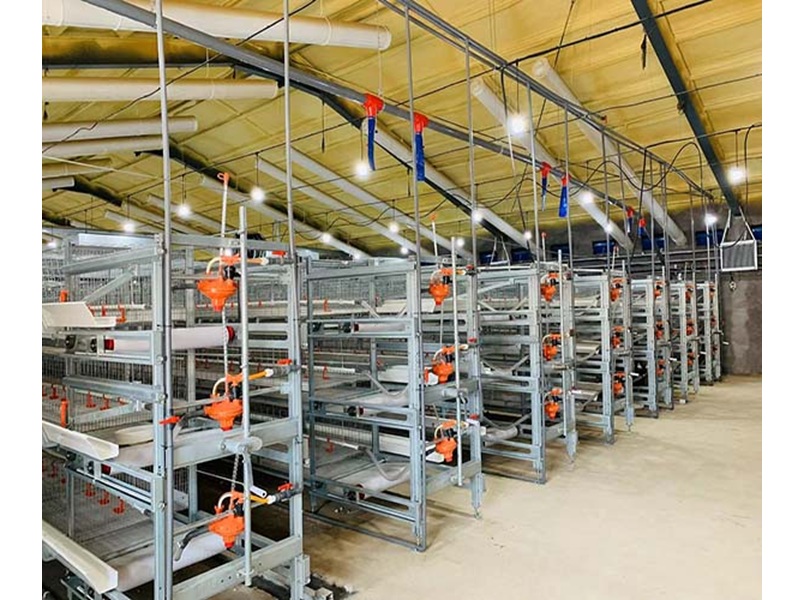
Modern layer farming equipment Boosts Egg Production Efficiency
Introduction
The global demand for eggs continues to rise due to population growth, urbanization, and increasing awareness of the nutritional benefits of eggs. To meet this demand, poultry farmers must adopt modern farming techniques and equipment that enhance efficiency, productivity, and animal welfare. Modern layer farming equipment plays a crucial role in optimizing egg production, reducing labor costs, and improving overall farm management.
This article explores the latest advancements in layer farming equipment and their impact on egg production efficiency. We will discuss automated feeding systems, climate control technologies, egg collection and handling solutions, and biosecurity measures that contribute to sustainable and profitable egg farming.
1. Automated Feeding Systems
One of the most significant advancements in layer farming is the development of automated feeding systems. Traditional manual feeding is labor-intensive and can lead to inconsistent feed distribution, affecting egg production. Modern automated feeding systems ensure precise and efficient feed delivery, reducing waste and improving flock health.
Key Features of Automated Feeding Systems:
- Precision Feed Distribution: Automated systems use sensors and software to deliver the exact amount of feed required, minimizing overfeeding or underfeeding.
- Reduced Labor Costs: Farmers no longer need to manually distribute feed, allowing them to focus on other critical farm operations.
- Improved Feed Conversion Ratio (FCR): Consistent feeding schedules enhance nutrient absorption, leading to better egg production and lower feed costs.
- Adjustable Feeding Programs: Systems can be programmed to provide different feed formulations at various stages of the laying cycle.
Types of Automated Feeders:
- Chain Feeders: A continuous chain moves feed along a trough, ensuring all birds have access.
- Pan Feeders: Feed is dispensed into circular pans, reducing spillage and contamination.
- Auger Feeders: A screw mechanism transports feed from storage bins to feeding stations.
By implementing automated feeding systems, farmers can achieve higher egg yields while maintaining optimal bird health.
2. Climate Control and Ventilation Systems
Layer hens are highly sensitive to temperature fluctuations, which can negatively impact egg production. Modern climate control systems help maintain optimal environmental conditions, ensuring consistent laying performance.
Benefits of Climate Control in Layer Farming:
- Temperature Regulation: Automated systems adjust heating, cooling, and ventilation based on real-time data.
- Humidity Control: Proper humidity levels prevent respiratory diseases and improve eggshell quality.
- Air Quality Management: Ventilation systems remove harmful gases like ammonia, reducing stress on the birds.
- Energy Efficiency: Smart climate control reduces energy consumption by optimizing heating and cooling cycles.
Key Components of Climate Control Systems:
- Thermostats and Sensors: Monitor temperature, humidity, and CO₂ levels.
- Evaporative Cooling Pads: Lower temperatures during hot weather.
- Exhaust Fans and Ventilation Shutters: Ensure proper air circulation.
- Heating Systems (Radiant or Forced Air): Maintain warmth in cold climates.
With precise climate control, farmers can prevent heat stress, reduce mortality rates, and enhance egg production efficiency.
3. Automated Egg Collection and Handling
Manual egg collection is time-consuming and increases the risk of egg damage. Modern automated egg collection systems streamline the process, improving efficiency and egg quality.
Advantages of Automated Egg Collection:
- Reduced Labor Costs: Eliminates the need for manual egg gathering.
- Minimized Egg Breakage: Gentle handling systems prevent cracks and damage.
- Improved Hygiene: Automated systems reduce human contact, lowering contamination risks.
- Real-Time Data Tracking: Farmers can monitor egg production trends and identify issues early.
Types of Egg Collection Systems:
- Belt Collection Systems: Conveyor belts transport eggs from nests to a central collection point.
- Nest Roll-Out Systems: Eggs roll out of nests onto collection trays, reducing pecking and breakage.
- Robotic Egg Pickers: Advanced robotics gently pick and sort eggs, further reducing manual labor.
Automated egg handling not only boosts efficiency but also ensures higher-quality eggs for consumers.
4. Advanced Lighting Systems
Light plays a crucial role in regulating egg production in layer hens. Modern lighting systems simulate natural daylight cycles, optimizing laying performance.
Benefits of LED Lighting in Layer Farms:
- Energy Efficiency: LED lights consume less electricity than traditional bulbs.
- Customizable Light Spectrums: Different wavelengths can influence bird behavior and productivity.
- Programmable Lighting Schedules: Mimics natural sunrise and sunset, promoting consistent laying cycles.
- Durability and Longevity: LEDs last longer, reducing maintenance costs.
By optimizing light exposure, farmers can enhance egg production while reducing energy expenses.
5. Manure Management Systems
Proper manure management is essential for maintaining hygiene and preventing disease outbreaks. Modern manure removal systems improve farm cleanliness and reduce environmental impact.
Types of Manure Management Systems:
- Belt Manure Removal: Conveyor belts transport manure out of the house for drying or composting.
- Scrapers and Flushing Systems: Automated scrapers or water flush systems clean manure pits efficiently.
- Biogas Production: Some farms convert manure into biogas for renewable energy.
Efficient manure management enhances biosecurity and reduces odor, benefiting both farm operations and surrounding communities.
6. Biosecurity and Health Monitoring
Disease outbreaks can devastate egg production. Modern layer farms implement advanced biosecurity measures and health monitoring technologies to prevent infections.
Key Biosecurity Practices:
- Automated Disinfection Systems: Sprayers and foggers sanitize equipment and housing.
- Footbaths and Vehicle Sanitation: Prevent pathogen entry.
- AI-Powered Health Monitoring: Cameras and sensors detect early signs of illness.
By integrating these technologies, farmers can minimize disease risks and maintain high production levels.
Conclusion
Modern layer farming equipment has revolutionized egg production by enhancing efficiency, reducing labor costs, and improving animal welfare. Automated feeding, climate control, egg collection, lighting, manure management, and biosecurity technologies work together to create a sustainable and profitable farming environment.
As the demand for eggs continues to grow, adopting these advanced systems will be crucial for farmers to remain competitive and meet consumer expectations. By investing in modern equipment, layer farms can achieve higher productivity, better egg quality, and long-term success in the poultry industry.
(Word count: ~2000)
This website uses cookies to ensure you get the best experience on our website.
 Pусский
 Français
 العربية
 Indonesia
 қазақ
қазақ o'zbek
 Кыргызча
 тоҷикӣ
 Türkmenler
 Catalogue



 WhatsApp
 Phone
Phone
Comment
(0)